
Exploring the Vibrant Culture and History of My Trip to Delhi
Delhi stands as a city where history and modern life meet in a unique blend. My recent trip to this capital city revealed layers of culture, architecture, and everyday life that make Delhi a fascinating destination. From ancient monuments to lively markets, every corner tells a story worth exploring.
Discovering Delhi’s Historic Monuments
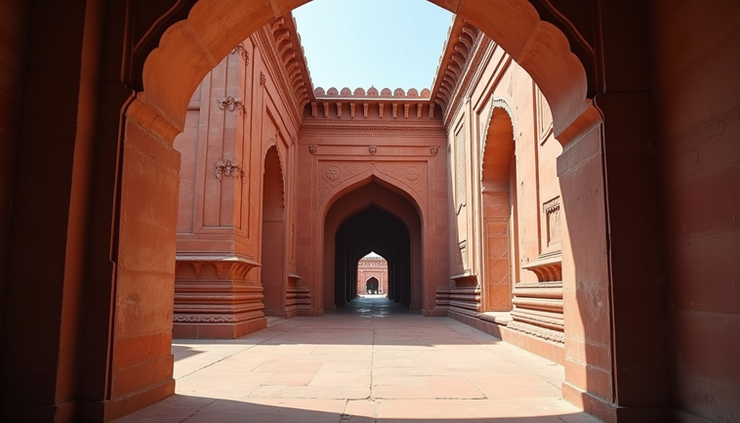
One of the first places I visited was the Red Fort, a massive fortress built in the 17th century. Walking through its grand gates, I could feel the echoes of Mughal emperors and the rich history that shaped India. The fort’s walls are not only impressive in size but also in the detailed craftsmanship visible in the carvings and decorations.
Nearby, the Jama Masjid mosque offered a peaceful contrast. Its large courtyard and towering minarets provide a glimpse into the religious and architectural traditions of the time. Climbing to the top of one minaret gave me a panoramic view of Old Delhi’s narrow streets and bustling life below.
Experiencing the Markets and Street Life
Delhi’s markets are a sensory experience. Chandni Chowk, one of the oldest and busiest markets, is a maze of shops selling everything from spices to textiles. The aroma of street food like chaat and jalebi filled the air, tempting me to try local flavors. Vendors called out their wares, and the crowd’s energy was contagious.
Shopping here is not just about buying; it’s about connecting with the city’s culture. I found handmade jewelry and colorful fabrics that reflected Delhi’s artistic heritage. The market’s narrow lanes and vibrant stalls create a lively atmosphere that contrasts with the calm of the historic sites.

Exploring Modern Delhi and Its Green Spaces
Beyond the old city, New Delhi offers wide avenues and green spaces. India Gate, a war memorial, stands as a symbol of national pride. The surrounding lawns are popular spots for locals and visitors to relax. Nearby, the Lotus Temple’s unique flower-shaped design attracts people from all backgrounds, emphasizing unity and peace.
I also visited Humayun’s Tomb, a precursor to the Taj Mahal, which combines Persian and Indian architectural styles. The gardens around the tomb provide a quiet place to reflect on the city’s history and beauty.


Comments